

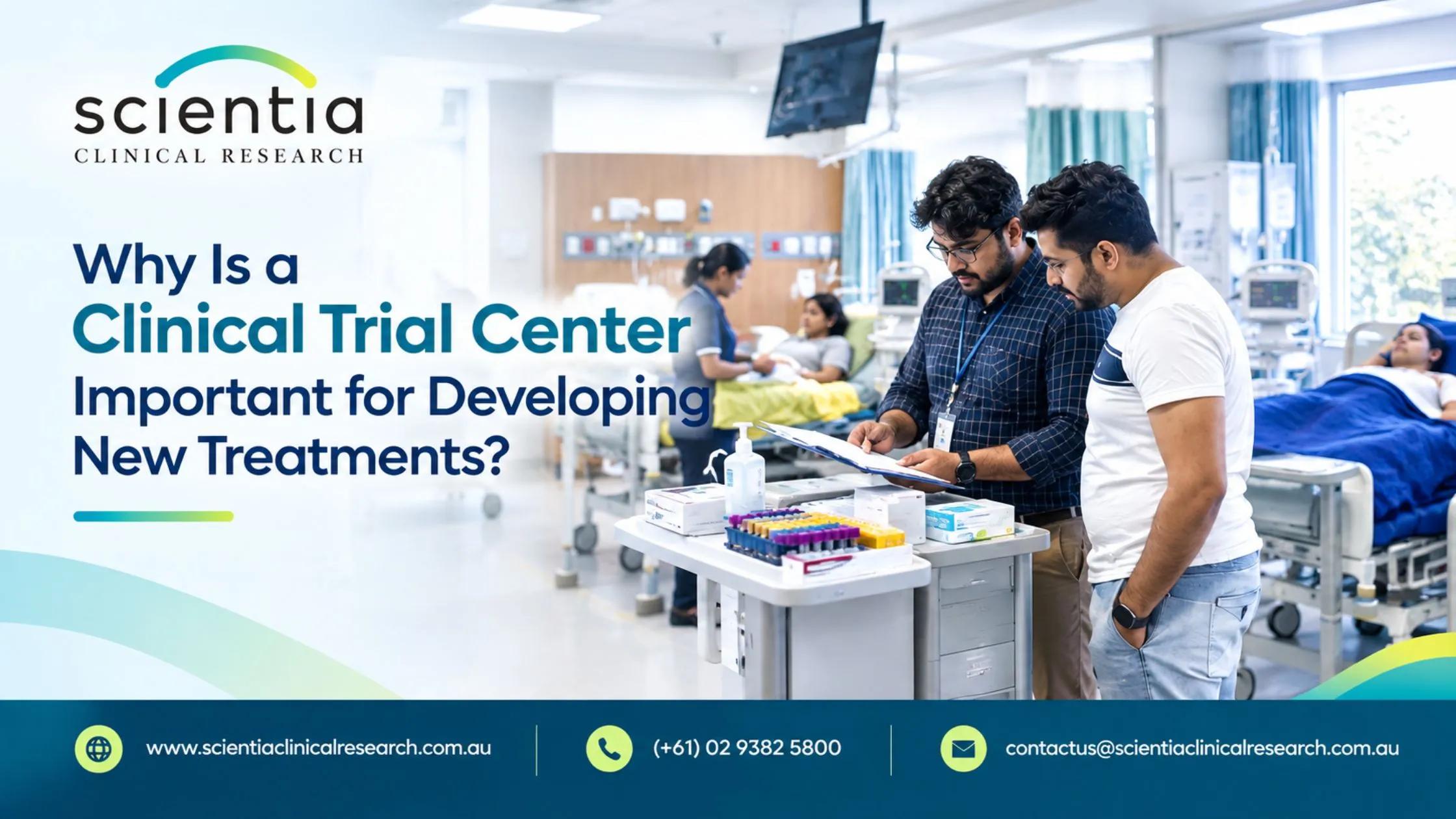
Developing a new medicine involves much more than discovering a promising compound in a laboratory. Researchers need reliable evidence to understand whether a treatment is safe, how the human body responds to it, and whether it can potentially benefit patients. This is where a Clinical Trial Center plays an important role in turning medical research into carefully evaluated treatments.
What Is a Clinical Trial Center?
A Clinical Trial Center is a specialised facility where clinical research studies are planned, managed, and conducted under established medical and research procedures. These centres bring together doctors, nurses, research professionals, volunteers, patients, laboratories, and other resources required to conduct clinical trials.
Clinical trials can investigate medicines, treatments, medical devices, or other interventions in people. The information collected during these studies helps researchers understand safety, effectiveness, dosage, side effects, and how a treatment behaves in the human body.
For example, an early-phase study may involve healthy volunteers to examine how an investigational medicine is absorbed, processed, and eliminated by the body. Patient trials may instead focus on people with a particular medical condition.
Why Is a Clinical Trial Center Important?
1. Supporting Patient and Volunteer Safety
Safety is one of the most important responsibilities of clinical research. A specialised Clinical Trial Center provides trained medical professionals, defined procedures, and appropriate monitoring throughout a study.
At Scientia Clinical Research, participants are monitored by dedicated medical professionals during clinical trials. The organisation states that its studies undergo independent Human Research Ethics Committee evaluation and Therapeutic Goods Administration acknowledgement before proceeding.
Practical example: Before participating in a study, a volunteer may undergo medical assessments such as blood tests, blood pressure checks, and heart-rhythm monitoring. These assessments help researchers determine whether the person meets the study requirements and can participate safely.
2. Producing Reliable Clinical Data
A promising treatment needs evidence to support decisions about its future development. A Clinical Trial Center provides the systems, trained personnel, and controlled environment needed to collect and document study information consistently.
Researchers may collect information about vital signs, laboratory results, drug concentrations, adverse events, and other study-specific measurements. Accurate data can help sponsors and researchers understand how an investigational treatment performs in humans.
Actionable tip: When evaluating a clinical research facility, sponsors should consider its experience with the relevant study design, participant population, medical resources, and data-management processes.
3. Helping Researchers Conduct Early-Phase Studies
Early-phase clinical trials are an important step between laboratory research and larger clinical development programs. These studies can provide initial information about how an investigational treatment behaves in humans.
Scientia Clinical Research specialises in early-phase research and describes itself as a purpose-built First-in-Human Phase 1 unit in Randwick, Sydney. Its services include studies involving healthy volunteers and patients, as well as oncology research.
Practical example: In a First-in-Human study, researchers may carefully monitor participants after administration of an investigational medicine. The resulting information can help determine appropriate next steps in the medicine's development.
How Does a Clinical Trial Center Improve Trial Management?
Clinical trials involve many moving parts. Participant recruitment, screening, medical assessments, laboratory testing, pharmacy activities, documentation, monitoring, and follow-up all need to work together.
A dedicated research centre can coordinate these activities within an established clinical research environment. This can help sponsors and research teams manage study procedures more efficiently while maintaining appropriate oversight.
Scientia reports having completed more than 300 studies since opening and provides 24/7 participant monitoring. Its facility also has access to on-site laboratory and pharmacy resources to support research activities.
Practical example: If a study requires repeated blood sampling and scheduled follow-up assessments, having clinical, laboratory, and research personnel working within the same dedicated environment can make the study process more organised.
Supporting Patients and Healthy Volunteers
Clinical research depends on people who choose to participate. A Clinical Trial Center provides a structured environment where participants can receive study information, complete screening assessments, ask questions, and take part in research according to the study protocol.
Scientia conducts research involving both healthy volunteers and patients with specific medical conditions. For patient studies, its medical professionals work alongside participants' treating physicians to monitor health and progress during the trial.
Participation is voluntary, and eligibility requirements vary depending on the study. Potential participants should review the study information carefully and discuss participation with their healthcare professional where appropriate.
What Makes a Clinical Trial Center Valuable to Sponsors?
For pharmaceutical and biotechnology companies, choosing an appropriate research facility can affect how effectively an early clinical study is conducted. Sponsors may look at factors such as research experience, specialist staff, participant access, infrastructure, medical support, and experience with particular study designs.
Scientia reports experience with study types including Single Ascending Dose (SAD), Multiple Ascending Dose (MAD), food-effect, drug-drug interaction, pharmacokinetic, biosimilar, pharmacodynamic, and efficacy studies.
Actionable tip: Sponsors should match a facility's capabilities to the specific requirements of their protocol rather than selecting a centre based on facilities alone.
Why Clinical Research Matters for New Treatments
Every new treatment must be carefully evaluated before it can become widely available. Clinical trials provide evidence about safety, effectiveness, side effects, and other characteristics that cannot be established through laboratory research alone.
A Clinical Trial Center helps provide the specialised environment needed for this research. From participant screening and medical monitoring to data collection and study coordination, each part contributes to building evidence around an investigational treatment.
Conclusion
A Clinical Trial Center is an essential part of the clinical development process. It brings together medical expertise, research infrastructure, participant management, monitoring, and study procedures to support the careful evaluation of new treatments.
Scientia Clinical Research specialises in early-phase clinical research in Sydney, supporting First-in-Human studies, patient trials, healthy volunteer studies, and oncology research.
If you are a sponsor looking for an experienced early-phase research partner, explore Scientia Clinical Research and learn more about its clinical trial capabilities and research services.